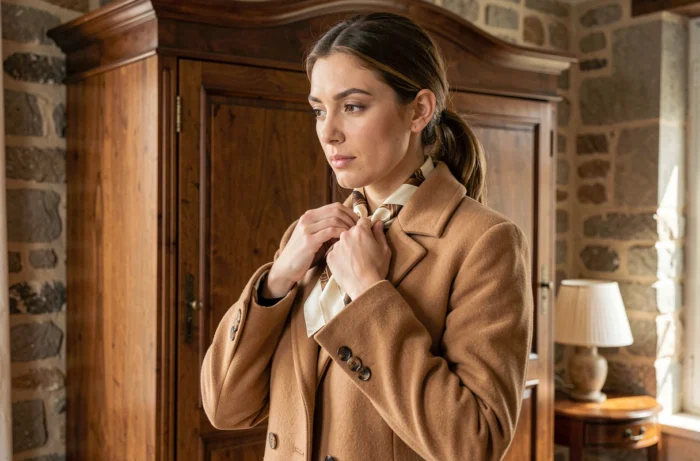
The fashion accessories market accounts for a growing share of clothing brands’ revenue, to the point where entire collections are built around a bag, belt or piece of jewelry. At the same time, European regulations are changing the way these items are made and sold.
The ESPR Regulation, which came into force in July 2024, provides for a ban on destroying unsold clothing accessories for large companies from July 19, 2026. The context in which a fashion accessory is made, sold and kept is changing—and so is the way we choose one.
Fashion accessories regulations and sustainability: what’s changing in practice
Most articles about fashion accessories focus on aesthetics and seasonal trends. They overlook a broader shift that directly affects consumers.
The European Commission’s 2025–2030 working plan includes an initiative dedicated to textiles and clothing, expected in 2027. It is set to define requirements for a digital product passport for textiles, potentially including information on materials, durability and repairability. The precise details have not yet been set for each product category.
When it comes to repairs, France’s textile and footwear repair bonus provides a direct deduction from the bill when you use a certified repairer for services such as sewing or replacing a zipper. Not all accessories are eligible: check the certified repairer’s terms before setting out to avoid an unpleasant surprise. A leather bag with a loose shoulder strap or a belt with a broken buckle no longer has to end up in the trash.
To put together an accessories wardrobe that reflects these changes, Vêtement Glamour’s accessories offer a range of pieces that let you vary your outfits without buying lots of disposable items.
Belts, bags and jewelry: how to prioritize accessories for your outfit
Not all accessories have the same visual impact on a silhouette. Understanding this hierarchy helps you get the effect you want instead of piling on pieces at random.
The bag shapes the look more than any other accessory
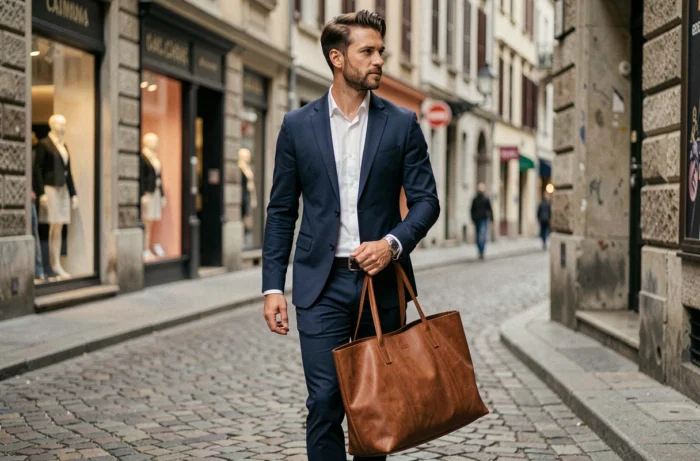
A soft leather shoulder bag elongates the silhouette and gives an outfit a relaxed feel. A structured style carried by hand makes the whole look more formal. The shape of the bag sets the tone more than its color does.
With a simple, straight-cut dress, a medium-sized structured bag is enough to create a focal point. Adding a statement piece of jewelry and a scarf on top can dilute the effect. One standout accessory per outfit creates a cleaner look than three competing pieces.
A belt redefines the silhouette
Worn over an oversized blazer or a flowing dress, a belt defines the waist and creates shape. It changes how a silhouette reads more than any other accessory, without requiring a change of clothes. Wide leather styles work well with loose-fitting pieces, while a slim belt is better suited to an outfit that is already fitted.
Jewelry shifts the mood
Oversized earrings with a black turtleneck turn an office outfit into an evening look. A choker with a V-neck is enough to dress up a simple top. Jewelry acts as a dial between everyday and dressed-up.
A few pointers for choosing which accessories to prioritize:
- If your outfit already features bold patterns or textures, opt for understated accessories in plain metal or smooth leather
- With a monochrome outfit, a single colorful accessory (bag, scarf or belt) adds contrast without overwhelming the look
- Shiny materials (gold-tone metal, patent leather) draw the eye: place them where you want to direct attention
Fashion accessories and seasonal trends: should you follow every new trend?
Accessory trends change every season. Oversized scarves and detachable puffer hoods dominate fall-winter collections. Visible bag chains and oversized sunglasses make regular comebacks in spring and summer. Following every micro-trend means constantly refreshing your wardrobe.
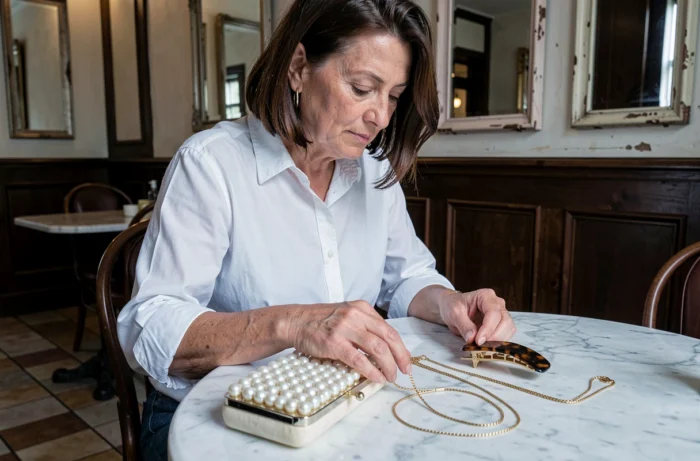
The most versatile accessories stand the test of seasonal cycles: a medium-sized leather bag, a pair of understated metal earrings, a black or cognac belt. Three to five timeless pieces cover most occasions, from the office to dinner.
Seasonal pieces (a printed scarf, a novelty brooch or a canvas bucket hat) work best when they complement a reliable foundation rather than make up your entire accessories collection. The risk of accumulating too much is not just an aesthetic one: it also raises the question of how unsold items are managed at an individual level, mirroring the issue that the ESPR Regulation now requires brands to address.
How to style fashion accessories: mistakes that can ruin an outfit
Certain combinations crop up often and have the opposite effect to the one intended.
- Mixing more than two different metals (gold, silver, rose gold) in your jewelry creates a cluttered look rather than one that feels deliberately original
- Matching your bag and shoes exactly (same color, material and finish) makes the look feel overly coordinated and dated
- Layering several accessories of the same size in one area (three wide bracelets, a chunky necklace and dangling earrings) cancels out the impact of each piece
- Choosing accessories that clash with the outfit’s style (an evening bag with jeans and sneakers, a streetwear cap with a dressy outfit) works in editorial shoots, but rarely in everyday life
Keeping the style of your outfit and accessories consistent remains the most reliable rule. A well-chosen accessory doesn’t stand out first: it makes the outfit feel right, without you immediately knowing why.
The next regulatory milestone, with the digital product passport for textiles expected in 2027, could help people make more informed choices by providing precise data on the composition and durability of each item. Until then, choosing accessories whose materials, manufacturing and care requirements you understand remains the best guide—even before considering style.