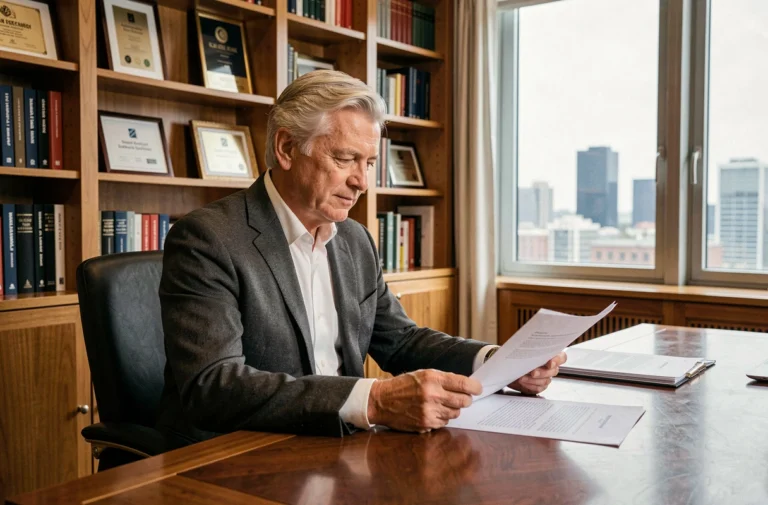
A colleague leaves work on a Friday, receives their first pension payment the following month, and wakes up on Monday with no alarm, no meeting, no commute. Free time goes from a few hours a week to the entire calendar. This shift is rarely planned as carefully as the administrative side of retirement. Being a young retiree is first and foremost about managing the gap between a highly structured daily routine and one that has to be rebuilt from scratch.
The transition to retirement: the buffer period no one plans for
According to Insee, some people aged 55 to 61 are out of work but not yet retired because of unemployment, health problems or a disability. The move from work to retirement is therefore not always a direct leap. For some, there are months, sometimes years, in between, with no clear status.
This buffer period creates a practical problem: you are no longer an employee, you are not yet receiving your full pension, and social routines disappear before new ones have a chance to take hold. The risk is gradual isolation, especially when most social connections were tied to the workplace.
You can explore all the resources available for this stage on the Jeune Senior website, which brings together content covering everything from health and finances to activities to consider in the first few months.
One often-overlooked point is employer-sponsored health insurance. When you stop working, you temporarily keep your coverage (portability), but it eventually ends. Comparing senior health insurance plans before then can help you avoid inadequate reimbursements just as your healthcare needs increase.

Physical activity after 60: what your body really needs
Everywhere you look, people say you need to keep moving. The real question is how. Getting back into exercise after years of a sedentary working life does not mean lacing up your sneakers on a Sunday morning. Recovery takes longer, joints are less able to absorb impact, and a poorly designed program can cause more injuries than benefits.
What works in practice is choosing low-impact activities and doing them regularly rather than intensely. Brisk walking, swimming and cycling work the cardiovascular system without putting too much strain on your knees or back.
- Daily walking (30 to 45 minutes) remains the most accessible activity and the easiest to stick with over the long term, with no equipment or membership required.
- Group classes for seniors (water aerobics, gentle exercise, adapted yoga) provide a regular schedule and social connection that exercising alone cannot replace.
- Light strength training with resistance bands or bodyweight exercises slows age-related muscle loss, a direct risk factor for falls and loss of independence.
Consistency matters more than intensity. Three moderate sessions a week are better than one strenuous weekend workout followed by ten days of inactivity. Ideally, combine physical activity with a group activity so that the social commitment helps you stay consistent.
Nutrition for seniors: adjust your plate without changing everything
Metabolism slows down and calorie needs decrease, but protein and micronutrient needs remain stable or may even increase. Eating less does not mean eating the same things in smaller portions. The nutritional value of each meal matters more than before.
In practice, young retirees often make two common mistakes. The first is skipping meals because there are no longer set schedules to follow. Hunger cues become less reliable and eating habits turn erratic. The second is snacking out of boredom, especially early in retirement when the days lack structure.
Everyday changes that make a difference
Having three meals at roughly the same times each day helps stabilize blood sugar and appetite. Adding more protein to breakfast (eggs, cottage cheese, ham) helps preserve muscle mass. Legumes, which are often missing from the diets of today’s retirees, provide plant-based protein and fiber at a low cost.
Hydration is the blind spot in nutrition after 60. The sensation of thirst diminishes with age, leading to mild chronic dehydration that can cause fatigue, headaches and difficulty concentrating. Simply keeping a jug of water on the table and drinking with every meal, even when you are not thirsty, can solve the problem.

Retirement plans: choose two priorities instead of ten ideas
Retirement guides offer endless lists: travel, volunteering, language classes, gardening, writing, joining an organization, looking after the grandchildren. The result is often an euphoric first quarter followed by burnout. You have tried everything, explored nothing in depth, and the feeling of emptiness returns as soon as the initial excitement fades.
A more realistic approach is to identify two activities that give your week structure: one focused on yourself (learning, an artistic pursuit, exercise) and one focused on others (volunteering, sharing your skills, getting involved in a local organization). This combination balances personal fulfillment with maintaining social connections.
Insee notes that some seniors combine work and retirement, either to supplement their income or to maintain a professional connection. That does not mean their retirement plans have failed. Working a few hours a week can structure your time just as effectively as a regular hobby.
What varies from one retiree to another is their existing level of social engagement. Someone whose social life depended entirely on work will need group activities from the very first weeks. By contrast, someone already involved in friendship groups or community organizations will experience a smoother transition.
Enjoying retirement is not just about filling your calendar. It means accepting that the first few weeks may be a little disorganized, that a new routine will take shape gradually, and that the choices you make at 62 can be revisited at 65. The only lasting mistake would be to make no decisions at all.