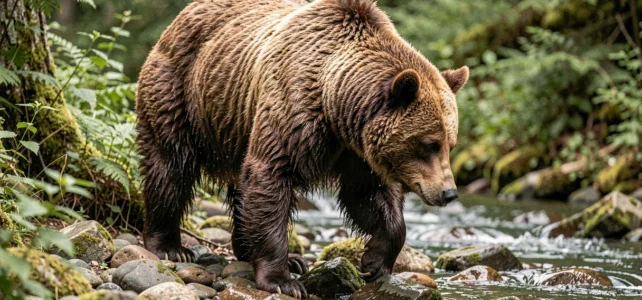
The term omnivore refers to an animal whose digestive system allows it to absorb food from both plant and animal origins. This biological capability, far from being a simple “eating everything,” relies on specific anatomical and behavioral adaptations that vary from one species to another.
Mixed dentition and intermediate digestive tract: what defines an omnivore
An omnivorous animal is not recognized solely by its diet. Its mixed dentition combines sharp incisors, pointed canines, and flat molars, a compromise between the jaw of a carnivore and that of a herbivore. This configuration allows it to tear animal tissues and grind plant matter with the same mouth.
The digestive tract of an omnivore is longer than that of a strict carnivore but shorter than that of a ruminant. This intermediate format gives it access to a wide range of food without excelling in the digestion of any particular type of food. It is an evolutionary compromise, not an absolute advantage.
Among the omnivorous animals to discover, we find mammals, birds, fish, and even some reptiles. This taxonomic diversity shows that omnivorism has emerged independently in several lineages, making it more of a feeding strategy than a familial link.
Terrestrial omnivores: three profiles to distinguish
Grouping all omnivores into one category masks significant differences in feeding behavior. Three profiles stand out clearly.
The wild boar, seasonal opportunist
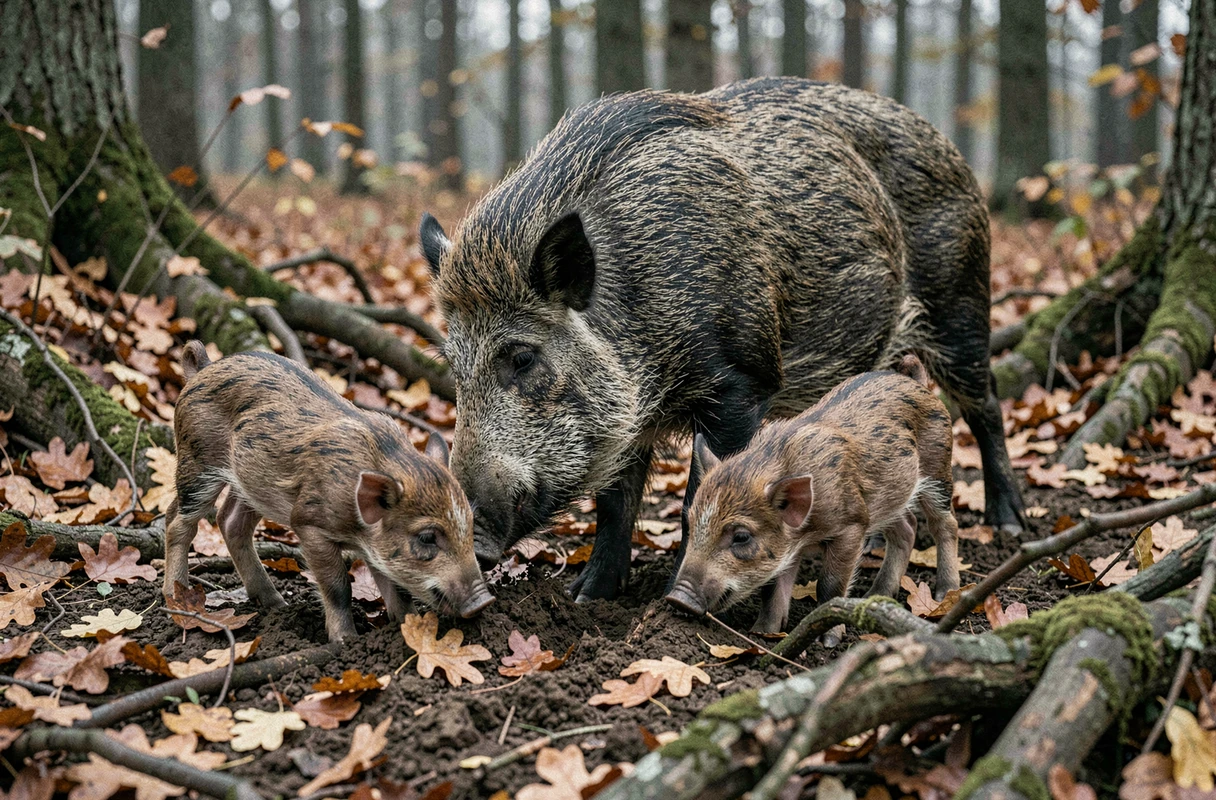
The wild boar perfectly illustrates the seasonal flexibility of omnivores. In spring, it digs in the ground to unearth roots, bulbs, and invertebrates. In autumn, acorns and chestnuts dominate its diet. When it finds them, it also consumes small vertebrates, eggs, or carrion.
This ability to modify its diet according to available resources explains why the wild boar colonizes very varied environments, from dense forests to suburban areas.
The raccoon, urban forager
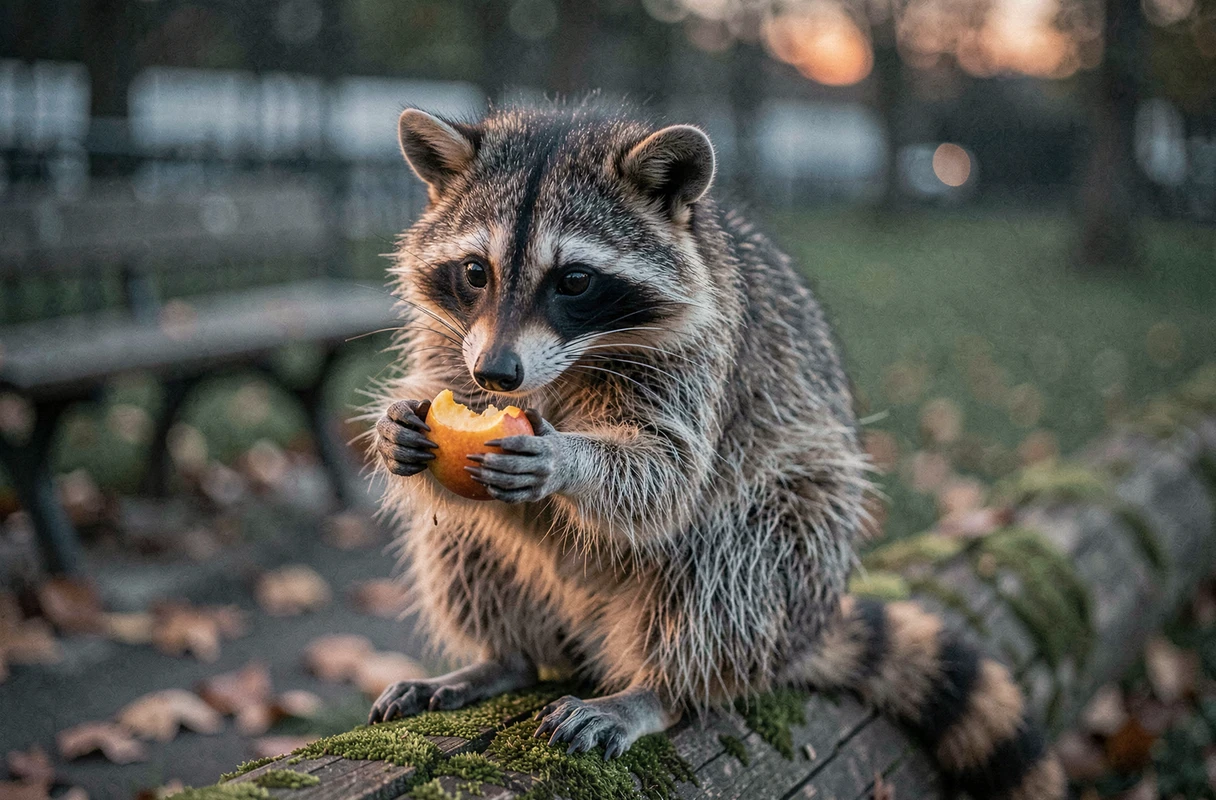
The raccoon is a case often absent from classic lists. Its prehensile hands and developed foraging behavior allow it to exploit food sources inaccessible to other species: household waste, eggs in nests, insects under bark, fallen fruits.
In urban environments, this combination of manual dexterity and an omnivorous diet gives it a considerable advantage. It adapts to environments that strict carnivores or herbivores could not exploit as effectively.
The corvids, socially intelligent omnivores
Crows, ravens, and magpies are omnivores whose diet varies greatly with the seasons. They can be predominantly insectivorous in spring, then granivorous in winter, and scavengers all year round if the opportunity arises.
Their uniqueness lies not only in their diet but in their ability to solve problems to access food. The social intelligence of corvids amplifies their omnivorous strategy, as they learn feeding behaviors by observing other individuals.
Aquatic omnivores: a often overlooked angle
Lists of omnivorous animals almost always focus on terrestrial species. However, aquatic environments host omnivores with remarkable adaptations.
The catfish is a telling example. It combines the consumption of algae, organic detritus, invertebrates, and small fish. Its mouth structure, equipped with sensitive barbels, allows it to locate varied food sources in murky waters where visibility is low.
Some freshwater turtles follow a similar pattern: as juveniles, they are primarily carnivorous (insects, larvae, small crustaceans), then their diet gradually shifts towards plants in adulthood. The omnivorous diet can evolve over the life of the same individual, complicating any rigid classification.
Omnivorous diet and biodiversity: a role in food chains
Omnivores occupy a particular position in trophic networks. They exist at multiple levels of the food chain simultaneously, which gives them a regulatory role.
- By consuming plants and herbivores, they limit the proliferation of certain species while dispersing seeds through their droppings.
- Their ability to change food sources makes them more resilient to environmental disturbances (droughts, disappearance of prey, habitat modification).
- In urban environments, omnivores like foxes or raccoons become key links in regulating populations of rodents and insects.
This dietary versatility does not guarantee the survival of the species. An omnivore remains dependent on a minimum of diversity in its habitat. The destruction of an environment reduces the range of accessible resources, and the advantage of omnivorism fades when only one type of food is available.
Is the human being really an omnivorous animal?
Human anatomy exhibits the classic characteristics of an omnivore: mixed dentition, intermediate length digestive tract, production of enzymes capable of breaking down animal proteins and complex carbohydrates of plant origin.
However, what a human population eats depends more on cultural, geographical, and economic factors than on pure biological constraints. Entire societies have thrived on nearly vegetarian diets, while others have had very carnivorous diets. Biology provides the capability, context dictates the practice.
This distinction between digestive ability and actual feeding behavior also applies to other species. The bear, often cited as an emblematic omnivore, derives in some regions the majority of its calories from berries and plants, despite its reputation as a predator.
Classifying an animal as an omnivore describes a biological capability, not predicting what it eats every day. The actual diet of an omnivore always depends on its environment, the season, and competition with other species for the same resources.